 STRUXA
Journal
From the Struxa journal.
Notes on engineering, geometry, fit, care, and the ideas behind our additively manufactured splints, straight from the team in Colorado.

Geometry does the work: how to read a Struxaform lattice
A Struxaform lattice is not a pattern added to a splint; it is the structure doing the work.

Can You Get a Finger Splint Wet?
A plain look at how different splint materials behave around water, and how to wash and dry a Struxa splint without guessing.

Wearing a Finger Splint at a Desk: Typing, Trackpad and Phone
Whether a splint gets in the way at a keyboard comes down to a short list of physical properties: profile, where the material sits, weight, straps and heat.

What makes a finger splint breathable
Breathability is not a coating or a fabric; it comes down to how much of the splint is open space and what the material does when it gets wet.
Geometry does the work: how to read a Struxaform lattice
A Struxaform lattice is not a pattern added to a splint; it is the structure doing the work.

Less material, more intention: designing a lightweight splint
Lightness is not a finishing touch; it begins with deciding which material has a reason to be there.

The digital loop: why the next print starts with the model
Additive manufacturing is not only how a Struxa splint is built; it shapes how the design can keep developing.

A finger splint through a working day
The real test of everyday finger support is not one big movement, but the dozens of small transitions between tasks.

Comfort is a system, not a single feature
No single feature can make a splint comfortable; comfort comes from how the whole design behaves together.

Your first five minutes with a Struxa finger splint
The first fit check should be slow, specific, and grounded in how your hand actually moves.

Five finger-splint assumptions worth reconsidering
Modern finger support becomes easier to understand when we separate familiar assumptions from visible design facts.
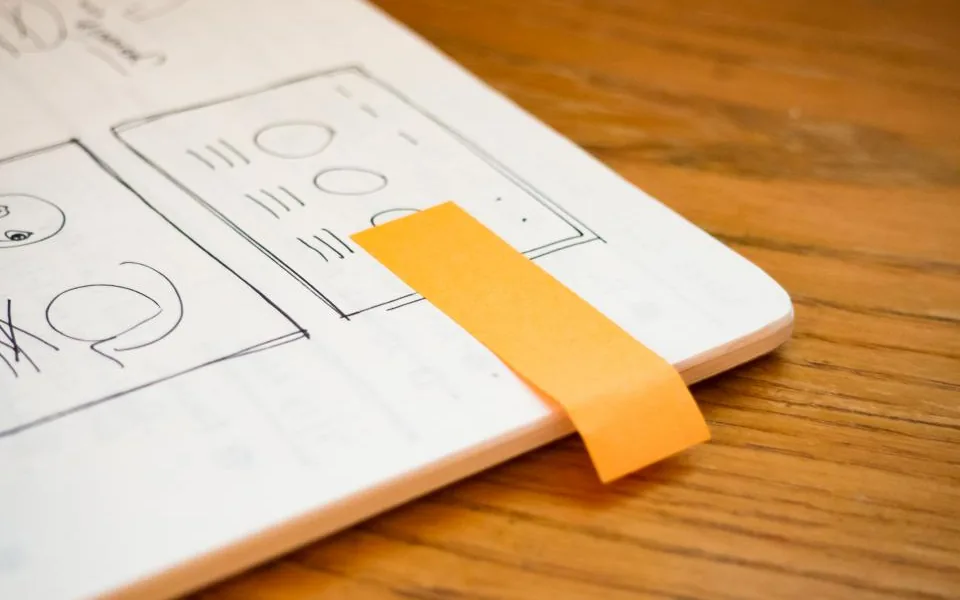
Why a finger splint is an industrial-design problem
A finger splint lives at the boundary between the body and the built world, where small design decisions become daily interactions.

Structure that moves with you: designing everyday support
The brief behind every Struxa product: light enough to forget, breathable enough to wear all day, and made for real life.

Two disciplines, one brief: the founding logic of Struxa
Struxa began where engineering discipline and emergency-room perspective could examine the same overlooked product.

Designed and manufactured in Colorado
Why we keep design and manufacturing under one roof, and what that means for every splint we make.
Standard or cushioned? Understanding two Struxa configurations
Two Struxa finger splints share the same lattice platform but make a different decision where the product meets the finger.

Caring for your Struxa splint: a simple routine
A quick, no-fuss routine to keep your splint fresh, clean, and comfortable for the long haul.
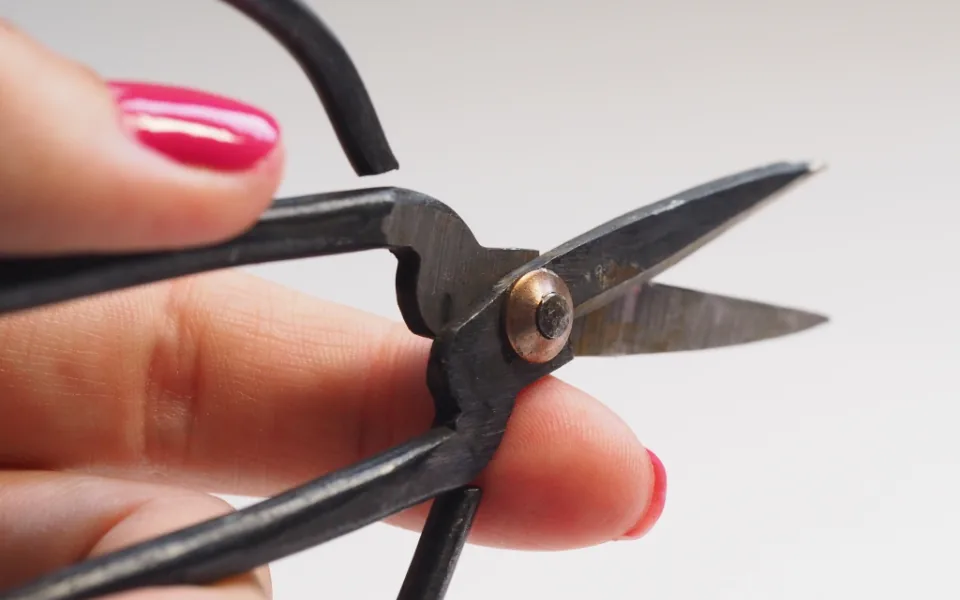
One-Size-Fits-All or Trim-to-Size: choosing your fit
Two ways to dial in the fit, both built on the same open lattice. Here's how to pick the right one.
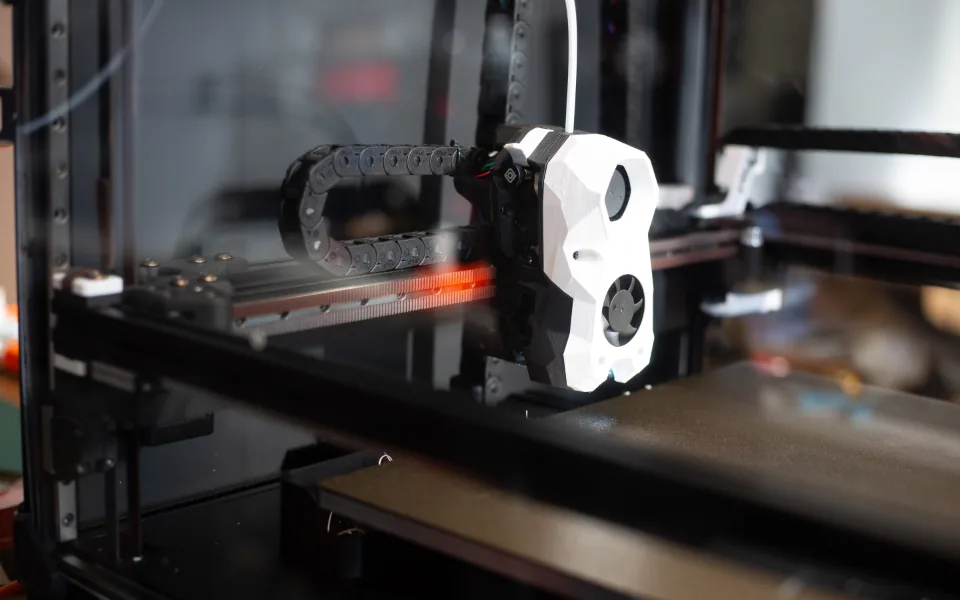
How a Struxa splint is made: additive manufacturing, explained
No molds, no seams, no assembly. A look at how an open-lattice splint is built up, one layer at a time.

Why an open lattice? The engineering behind a breathable splint
Most splints are solid shells. Ours isn't, and the difference starts with a pattern you can see right through.