 STRUXA
Product comparisons are easiest when the difference is stated plainly.
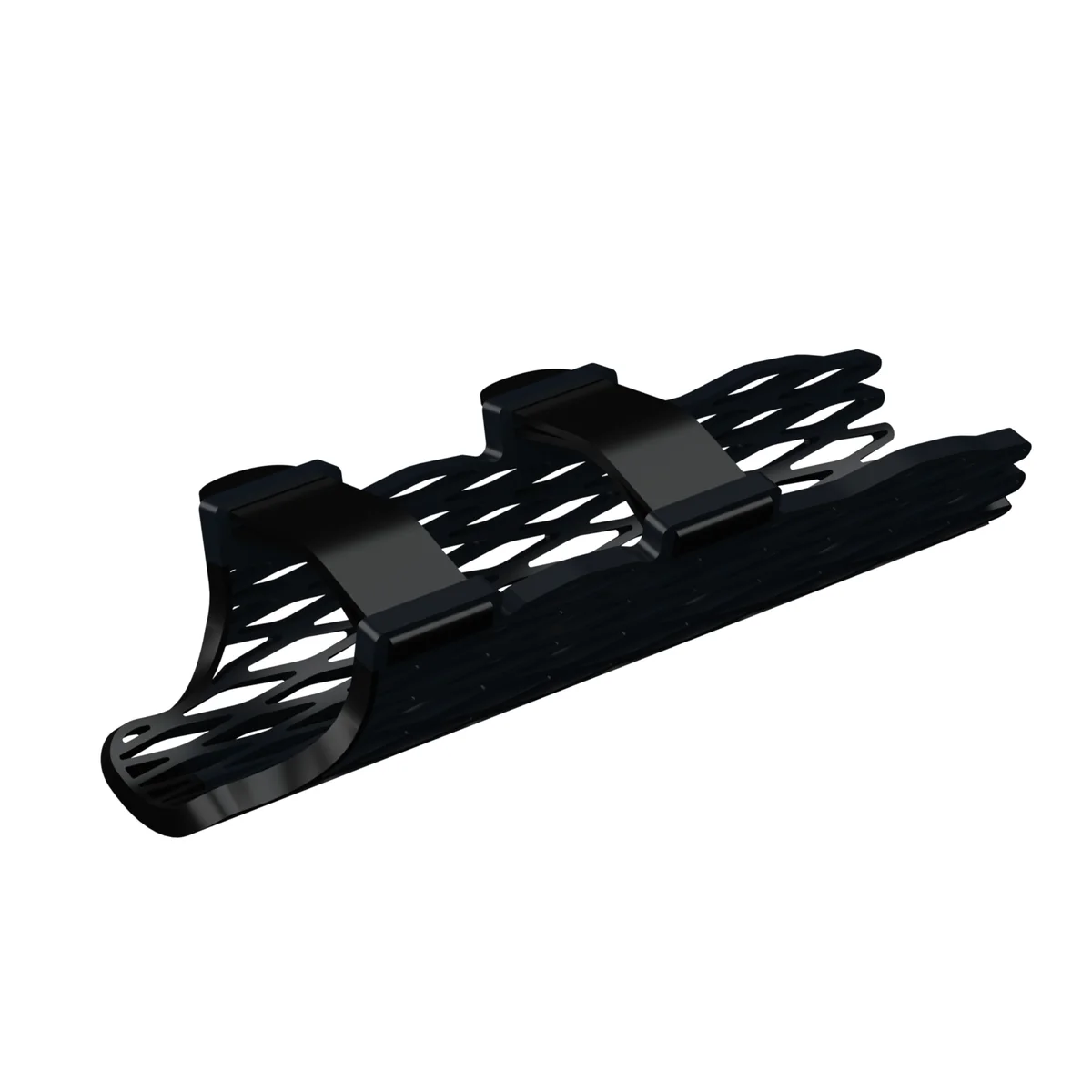
Both configurations share Struxaform™ Technology, Struxa’s patent-pending, additively manufactured open-lattice platform.
The Struxaform™ Finger Splint is Struxa’s standard, non-cushioned configuration. The Struxaform™ Full-Finger Splint uses the same open-lattice platform and adds an integrated cushioned backing for contact comfort where the splint meets the finger.
Both are described as lightweight, breathable, low-profile support for everyday routines. The central choice is not “basic” versus “advanced.” It is one contact configuration versus another.
What both products share
The common architecture matters because it keeps the comparison focused.
Each splint uses Struxa’s patent-pending, additively manufactured open lattice. Material is placed where support matters and left open elsewhere, allowing air to move through the structure and reducing unnecessary weight. Both products are designed by an emergency medicine physician.
Each also ships in a single fit. The Struxaform™ Finger Splint is One-Size-Fits-All, the ready-to-use version. The Struxaform™ Full-Finger Splint is Trim-to-Size, which begins oversized and can be shortened gradually for more customized length and coverage.
This means the fit follows the configuration. Answering “standard or cushioned?” also settles whether you receive a ready-to-use form or one you trim yourself.
Knowing which fit comes with which configuration makes the lineup easier to understand.
The standard configuration
The Struxaform™ Finger Splint uses a standard, non-cushioned body. Its product page emphasizes the open lattice, breathability, low profile, washability, and daily wear.
Non-cushioned does not mean that comfort was omitted from the design. The product still addresses comfort through low weight, airflow, close profile, and fit. It simply does not add the integrated cushioned backing used by the other configuration.
This distinction is important because padding is only one variable. Some people begin a product comparison by asking for the most cushioning possible. A more precise approach is to look at the entire contact system and identify which confirmed configuration you intend to buy.
The cushioned configuration
The Struxaform™ Full-Finger Splint adds an integrated cushioned backing at the finger contact area while retaining the open Struxaform lattice.
The product name identifies this specific Struxa configuration. It should not be treated as a diagnosis or evidence that the product is appropriate for a symptom or medical condition. The confirmed product difference is the cushioned backing, not a promised therapeutic outcome.
That boundary helps keep the comparison useful. If your question is about contact feel, the product pages can explain the design. If your question is whether you should use a splint, which type of support is appropriate, or how long to wear it, consult a qualified healthcare professional.
Compare contact, then compare fit
A simple way to navigate the decision is to work in two passes.
First, compare the configurations:
- Standard: the Struxaform™ Finger Splint, with a non-cushioned configuration.
- Cushioned: the Struxaform™ Full-Finger Splint, with integrated cushioned backing for added contact comfort.
Second, note the fit each one ships in:
- One-Size-Fits-All: the Finger Splint’s universal, ready-to-use fit.
- Trim-to-Size: the Full-Finger Splint’s oversized form, which you trim gradually for more customized length and coverage.
The fit is not a separate order option. Choosing a configuration is what determines it.
For Trim-to-Size, try the splint before cutting, use clean scissors, remove a small amount at a time, re-check comfort and coverage, and smooth rough edges. Stop and ask for guidance if you are uncertain.
Care remains straightforward
Both configurations should be hand washed with mild soap and cool-to-lukewarm water, then allowed to air dry completely before reuse. Avoid hot water, dishwashers, washing machines, radiators, hair dryers, hot cars, and other direct heat that can affect the printed material.
Pay attention to the hand as well as the product. Remove the splint and consult a healthcare professional if you experience pain, numbness, tingling, swelling, skin irritation, or worsening symptoms.
Wear time depends on the person and situation. Struxa designs its products for comfortable everyday wear, but a design intention is not a personal medical schedule.
A product comparison should reduce ambiguity
The most helpful comparison does not declare a universal winner. It tells you exactly what changes and what stays the same.
Across these two Struxa splints, the open-lattice architecture, breathable low-profile approach, Colorado manufacturing, and care routine remain consistent. Two things change: the contact configuration, standard non-cushioned or integrated cushioned backing, and the fit that comes with it.
That is enough information to compare the products honestly. The choice about medical use belongs somewhere else, with you and a qualified healthcare professional who understands your situation.