 STRUXA

Hands rarely do one thing for long. A morning may move from a keyboard to a coffee cup, a cabinet handle, a pen, a mixing bowl, and a bag carried out the door. The challenge for everyday finger support lives in those transitions.
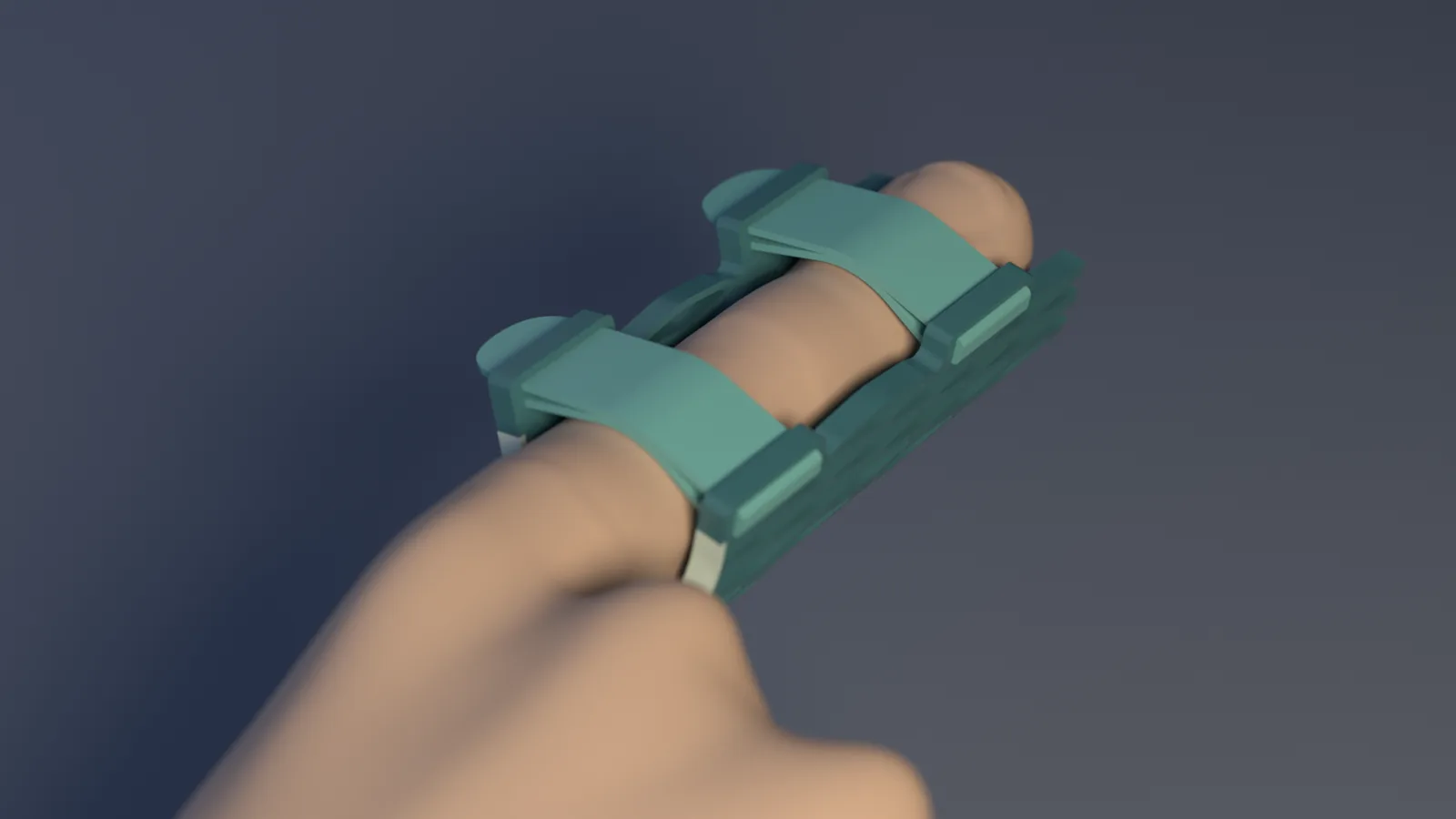
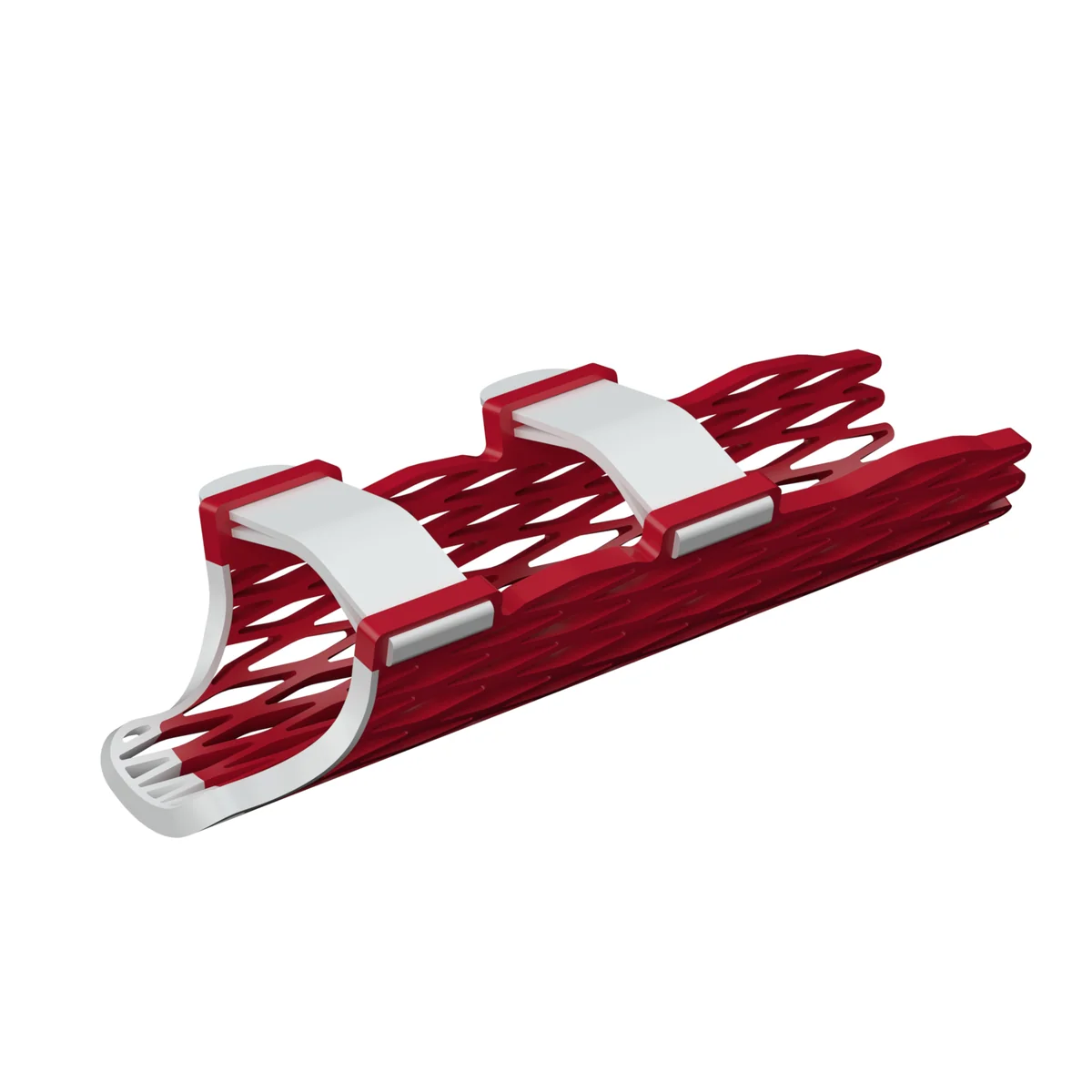
Struxaform™ Technology was developed around that reality. Its engineered open lattice is lightweight, breathable, and low-profile, with material placed where support matters and open space elsewhere. The point is not to make the splint invisible. It is to keep the structure considered enough that it can belong in an ordinary routine.
At the keyboard: profile becomes visible
Typing is a useful way to notice bulk. Fingers hover close to keys, change angle quickly, and work beside one another in a small space. A large support can announce itself with every movement even when the task requires very little force.
A low-profile finger splint takes a different approach. Struxa’s open-lattice form is designed to sit close to the finger and stay out of the way. The practical takeaway is simple: when you first wear a splint at a keyboard, pay attention to interference rather than trying to judge the product in the abstract.
Can you reach the keys you normally use? Does the fit remain comfortable after a short period of ordinary typing? Is any edge pinching or rubbing? If you notice discomfort, numbness, tingling, or skin irritation, remove the splint and consult a qualified healthcare professional.
In the kitchen: airflow meets a changeable environment
Cooking involves warmth, water, ingredients, utensils, and repeated hand washing. No finger splint erases those practical demands.
The open Struxaform lattice allows air to move across the skin, while the washable structure can be hand cleaned with mild soap and cool-to-lukewarm water. Let it air dry completely before wearing it again. Hot water, a dishwasher, a washing machine, and direct heat (including a radiator, hair dryer, or hot car) can affect the printed material and should be avoided.
There is also a common-sense boundary: a low-profile design is still a physical object on the hand. Consider the task, keep it clean, and follow the guidance of a healthcare professional about when and how long to wear support.
While creating: the hand needs room for precision
Drawing, sewing, model-making, writing, and other creative work rely on small adjustments. The fingers change pressure and position almost continuously. In that setting, lightness is less about a dramatic sensation than about reducing how much extra structure the hand has to carry through each adjustment.
Struxa’s lattice removes material where it is not needed. That design choice also leaves the surface open rather than enclosing the finger in a solid shell. For a person moving between tools, the useful question is not “Can I forget I am wearing it?” but “Does the support coexist with the way I actually work?”
Try the real tool, briefly and deliberately. A fit that seems acceptable while the hand is resting may feel different when holding a pencil or guiding fabric. Everyday evaluation should happen in everyday context.
When carrying: size is only part of the interaction
Carrying a mug, notebook, grocery bag, or small box changes the shape of the hand around an object. The splint’s low profile can reduce unnecessary bulk, but the right use depends on the person, the object, and the reason support is being worn.
Do not use a general product article to decide what is safe for an injury, pain, or medical condition. A qualified healthcare professional can advise whether a splint is appropriate and how it should be used. If symptoms worsen, or if pain, numbness, swelling, or skin irritation appears, stop using the product and seek guidance.
That caution is not separate from good design. A product intended for real life should be discussed with equally real boundaries.
The overlooked task: moving between tasks
The most revealing moment may be neither typing nor cooking. It may be the instant between them: standing up, reaching for a drawer, washing your hands, picking up a phone, or putting on a jacket.
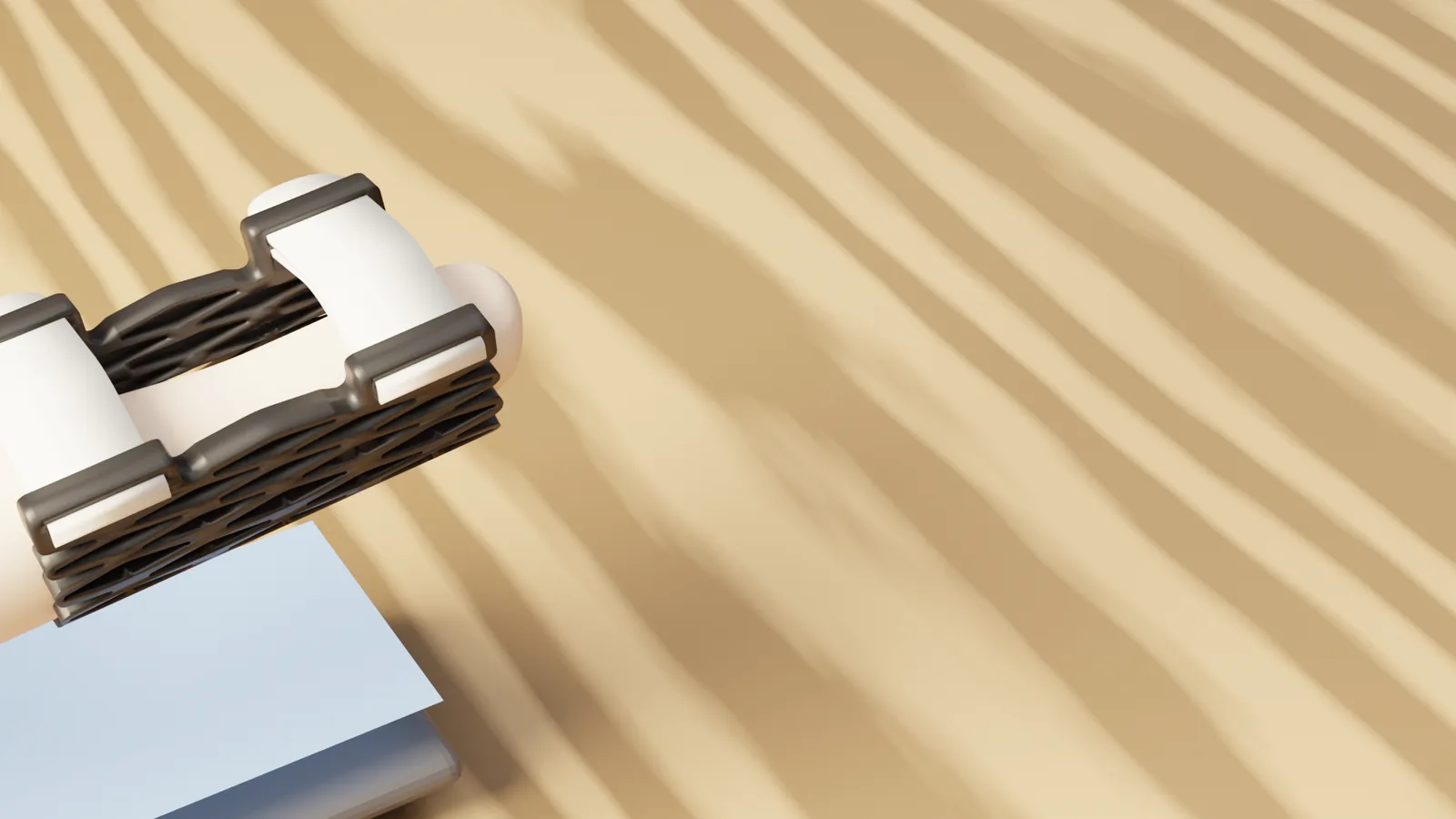
These small changes expose what low-profile design is for. A splint does not need to dominate a movement to be noticed; even minor snagging, excess heat, or awkward volume can become repetitive over a day. Struxaform addresses those constraints with an open, lightweight structure designed to stay close.
The best everyday takeaway is to observe specific interactions. Notice contact, clearance, comfort, and fit. Keep the splint clean and dry. Bring questions about wear time or symptoms to a healthcare professional rather than asking the product to answer them.
Support belongs in the details
Everyday wear is not a single feature. It is the accumulation of small design decisions meeting small daily actions. The lattice, airflow, light weight, and close profile matter because hands are always moving from one context to another.
Structure that moves with you begins by paying attention to where your day actually goes.