 STRUXA

Comfort is often described as if it lives in one soft layer. Add padding, the thinking goes, and the work is done. A finger splint makes that explanation feel incomplete.
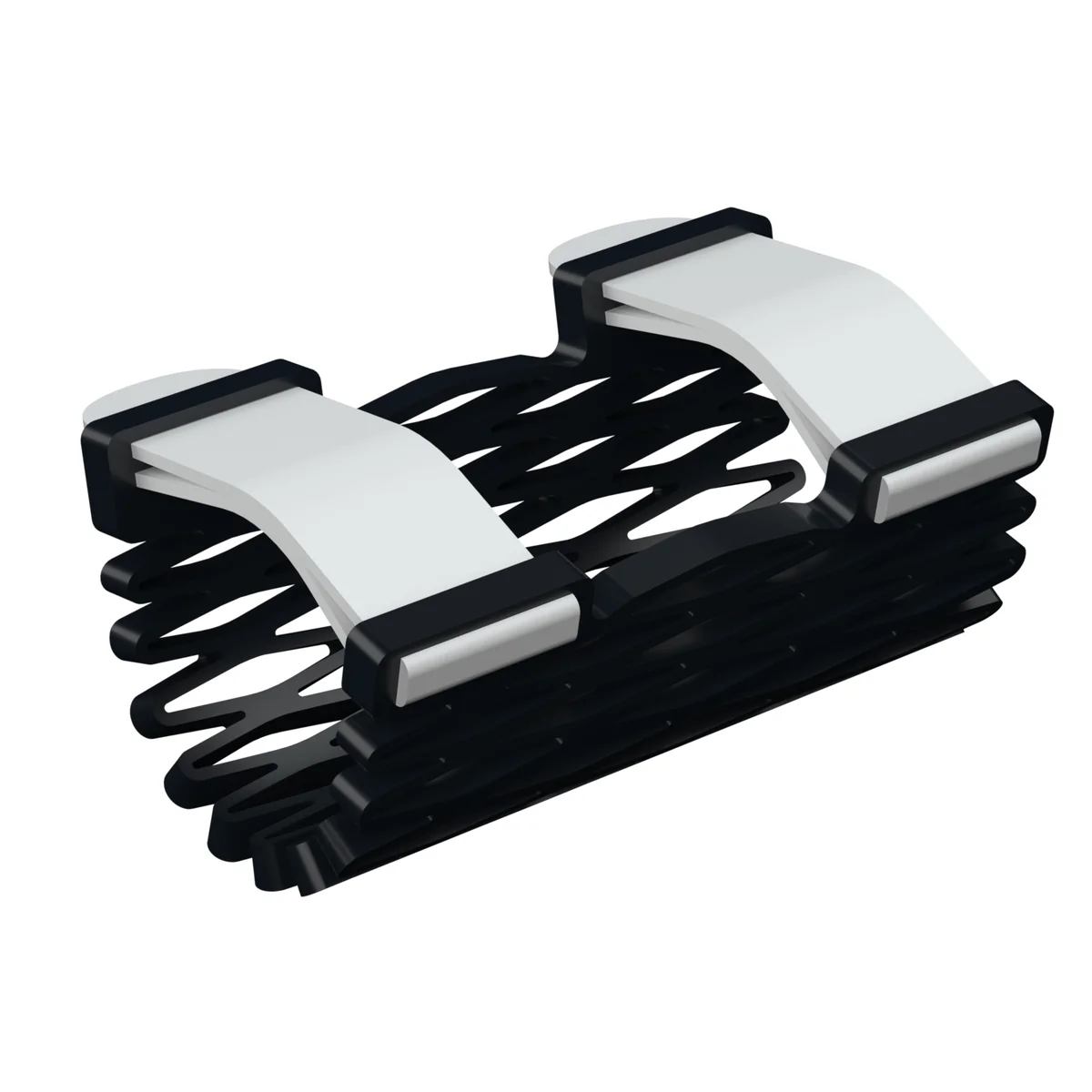
The product sits against a small, active part of the body. Weight, heat, profile, fit, contact, and the task at hand all influence how it feels. Struxaform™ Technology treats those conditions as a connected design problem. Its open lattice is engineered to provide general-purpose support while leaving room for airflow and removing material where it is not needed.
Comfort, in other words, is a system.
Weight changes every movement a little
A finger moves constantly, even during work that looks still. It hovers above a key, changes its hold on a mug, steadies a page, and shifts around a phone. Added weight is carried through every one of those small actions.
Struxaform reduces unnecessary material through its lattice architecture. That does not make weight the only measure of comfort, and it does not promise that every person will experience a product the same way. It does address a clear design variable: less unnecessary structure means less product for the finger to carry through a routine.
The lattice determines where material remains and where the form opens.
Airflow changes the contact environment
A solid shell covers skin. An open structure leaves visible paths across it. Struxa’s lattice is designed so air can move through the splint rather than meeting a fully closed surface.
Breathability cannot decide fit or wear time, but it changes one part of the everyday contact environment. The hand is not sealed beneath the central structure, and the open architecture is also washable with mild soap and cool-to-lukewarm water.
Care still matters. The splint should air dry completely before it is worn again, and it should stay away from hot water, appliances, and direct heat that can affect the printed material.
Profile affects the world around the finger
Comfort is not only what happens between product and skin. It also includes the space a product occupies.
A bulky support can meet neighboring fingers, a pocket opening, a keyboard, or the handle of an object. Struxa splints are designed to remain low-profile and close to the finger. That reduces unnecessary volume where the finger meets neighboring fingers, pocket openings, keyboards, and the handles of objects.
Consider a simple example: typing a short email and then picking up a notebook. The first task reveals clearance around adjacent fingers and keys. The second changes the hand’s shape around an object. A close profile keeps the splint clear of the keys in the first task and the notebook’s edge in the second.
Fit determines where the design meets you
The same product architecture still needs to meet an individual finger. Struxa offers two fit approaches: One-Size-Fits-All, designed as a universal ready-to-use option, and Trim-to-Size, an oversized version that can be shortened gradually for more customized length and coverage.
That choice is not a medical recommendation. It is a way to decide how much adjustment you want to make to the physical fit. For guidance about whether a splint is appropriate, or how long it should be worn, consult a qualified healthcare professional.
Fit also deserves re-checking in context. A splint that feels acceptable on a resting hand should still be noticed during an ordinary task. Pinching, numbness, tingling, swelling, skin irritation, pain, or worsening symptoms are reasons to remove the product and seek professional guidance.
Contact comfort can be configured differently
Struxa’s two finger-splint products make contact comfort visible as a product decision.
The Struxaform™ Finger Splint is the standard, non-cushioned configuration. The Struxaform™ Full-Finger Splint adds an integrated cushioned backing where the splint meets the finger. Both are built on the breathable open-lattice platform and are described as lightweight and low-profile.
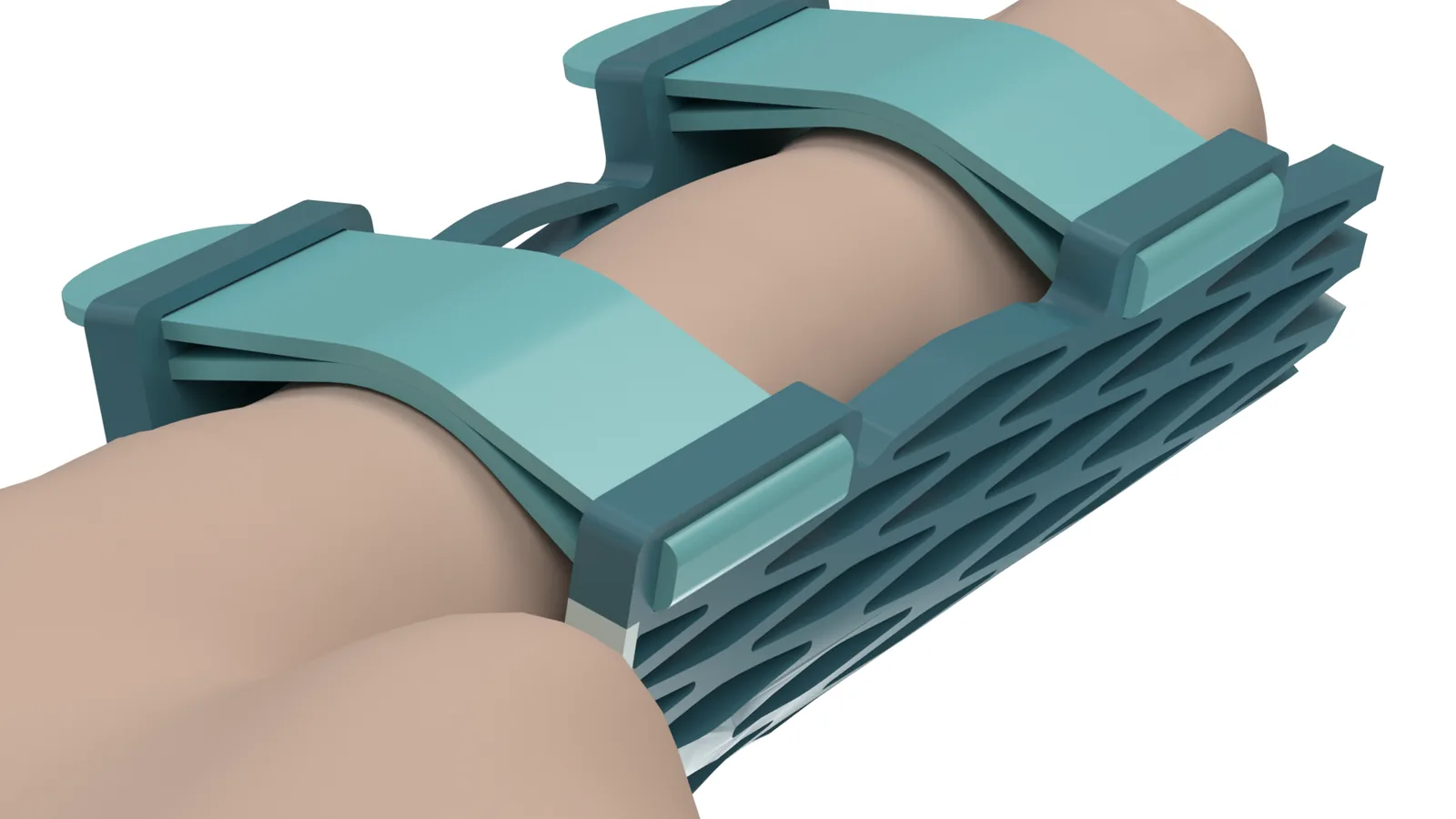
The distinction is useful because it avoids treating “comfort” as a vague ranking. One configuration keeps the standard non-cushioned structure; the other adds cushioning at the contact area. Neither product name should be read as a diagnosis or a treatment instruction. The appropriate product and use should be discussed with a healthcare professional when symptoms, injury, or a medical condition are involved.
Comfort is also a routine
A well-designed object can still become uncomfortable if fit, care, or wear guidance is ignored. Keeping the splint clean, letting it dry fully, and paying attention to the skin are part of the experience.
Wear time is personal and situation-dependent. Struxa products are designed for comfortable everyday wear, but that design intent is not a universal schedule. A healthcare professional can help set one for your circumstances.
This is the final part of the system: the product provides structure, and the person wearing it notices how it feels and when that changes.
A better comfort question
Instead of asking whether a splint is “comfortable” in the abstract, ask how its decisions work together.
Is the structure selective about material? Does the form leave room for airflow? Does it remain close to the finger? Is the fit appropriate? Is the contact configuration the one you intended to choose? Does it remain comfortable during the tasks that matter to you?
Comfort becomes more useful when it is specific. Struxa’s design makes the main variables easier to see.