 STRUXA

A new splint creates an understandable urge to put it on and get on with the day. Five deliberate minutes first can give you a clearer view of fit, comfort, and what, if anything, needs adjustment.
Struxaform™ Technology is designed as a lightweight, breathable, low-profile open lattice for everyday support. Those qualities are built into the product, but the way the splint meets your finger still deserves attention. This guide begins after you have selected a Struxa product. It does not replace the advice of a qualified healthcare professional.
Confirm what you have
Before changing anything, identify which of the two products you have.
Struxa’s finger-splint lineup includes the standard, non-cushioned Struxaform™ Finger Splint and the Struxaform™ Full-Finger Splint with an integrated cushioned backing. The Finger Splint ships One-Size-Fits-All. The Full-Finger Splint ships Trim-to-Size.
One-Size-Fits-All is the ready-to-use option. Trim-to-Size starts oversized so you can shorten it for more customized length and coverage. That distinction matters now: a Trim-to-Size product is designed to be modified gradually, while a One-Size-Fits-All product is intended to be worn without that trimming process.
Product names describe Struxa’s lineup; they are not diagnoses or instructions for treating a condition. If you are unsure which support is appropriate, pause and ask a healthcare professional.
Try the resting fit
Place the splint on as directed and let your hand rest in a neutral, easy position. The first goal is observation, not endurance.
Notice where the structure sits and how the product’s edges meet the finger. Look for obvious pinching or pressure. Check that the fit feels secure enough for the intended support without treating tightness as proof that the splint is working.
The open lattice is designed to flex into a low, close fit, but individual experience can vary. If you feel pain, numbness, tingling, swelling, or skin irritation, remove the splint. Consult a qualified healthcare professional before continuing.
Use one ordinary movement
A resting hand tells only part of the story. Choose one simple, low-demand movement from your routine: type a short sentence, pick up a pen, or hold an empty cup.
You are not performing a strength test. You are checking interaction. Does the splint stay where you expected? Does an edge become more noticeable when the finger changes position? Does the product contact a neighboring finger or object in an uncomfortable way?
This short context check is more informative than repeatedly opening and closing the hand without purpose. A finger splint is worn in real situations, so the first fit assessment should include one.
If your use relates to an injury, pain, or medical condition, ask a healthcare professional which movements are appropriate. Do not use this guide to test a symptom.
Trim only if you have the Full-Finger Splint
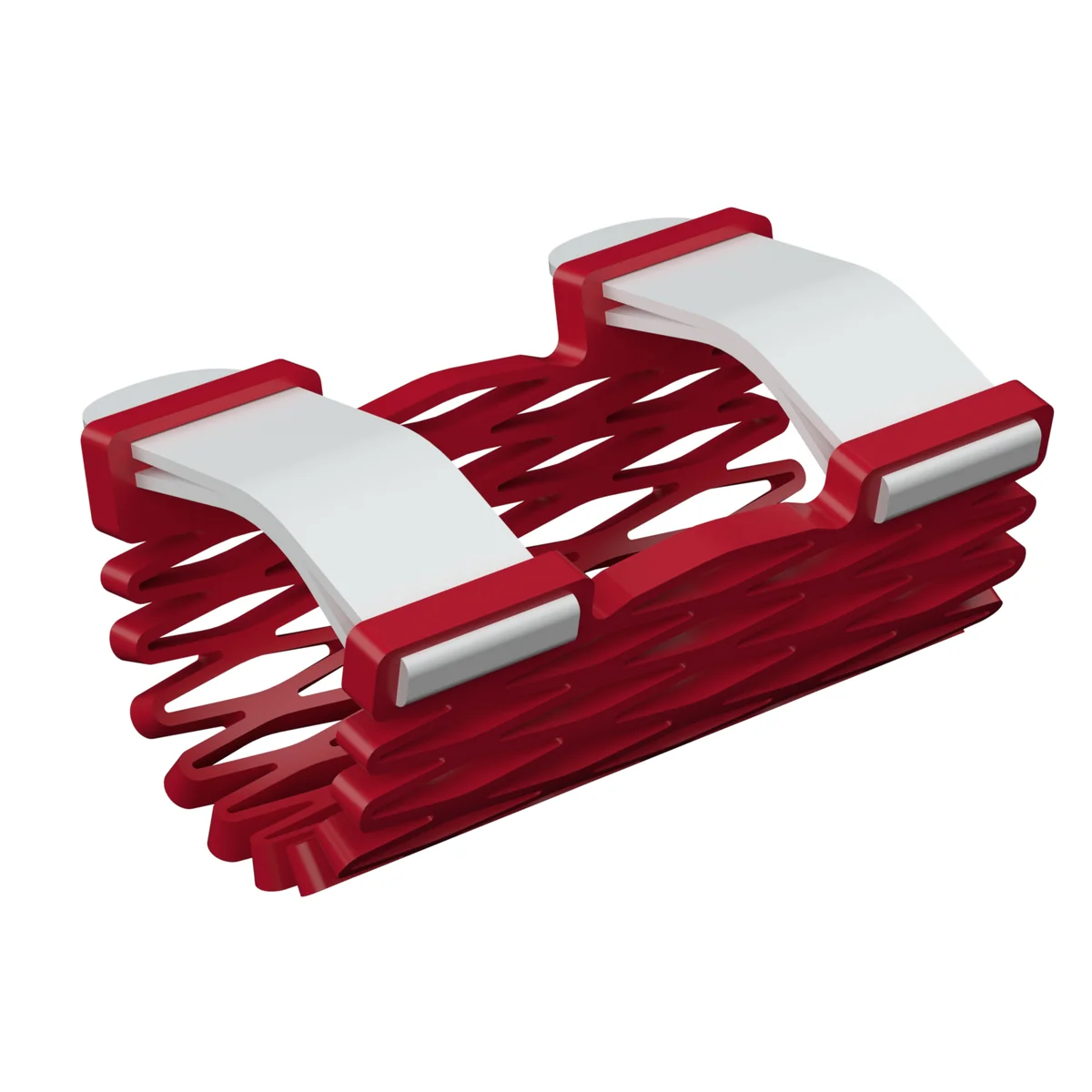
The Struxaform™ Full-Finger Splint ships Trim-to-Size, and trimming is not a one-minute job. Try the splint in its original form before cutting, then work through the Fit & sizing guide, which walks you through removing a little at a time and re-checking the fit after every cut. Take as long as those re-checks need.
The sequence matters:
- Trim a little.
- Put the splint back on.
- Re-check comfort and coverage.
- Repeat only if more material should be removed.
- Smooth any rough edges when you reach the fit you want.
It is easier to remove more than to add material back. A gradual process protects your options and keeps the decision visible at each step.
When in doubt, stop before removing more material. The Struxa team can help with product and sizing questions, and a healthcare professional can provide fit guidance for your specific situation.
Set the care and wear boundary
Before the splint disappears into your routine, decide where it will dry after cleaning and how you will notice changes in comfort.
Hand wash with mild soap and cool-to-lukewarm water. Let the splint air dry completely before wearing it again. Avoid the dishwasher, washing machine, hot water, direct heat, radiators, hair dryers, and a hot car; heat can affect the printed material.
Wear time depends on the person and situation. Follow the guidance of a healthcare professional rather than turning “designed for all-day wear” into a schedule that may not apply to you. Remove the splint and seek advice if you notice pinching, pain, numbness, tingling, swelling, skin irritation, or worsening symptoms.
A fit check is a beginning, not a verdict
The first five minutes establish a baseline. They show how the product sits at rest, how it meets one ordinary task, and whether a Trim-to-Size adjustment should proceed gradually.
Fit can feel different later in the day or during another activity. Keep observing rather than assuming the first impression settles every question. The most useful habit is specific attention: where the splint contacts, how the hand moves, and whether comfort changes.
That approach suits the design itself. Struxaform places structure deliberately; a good fit check should be just as considered.